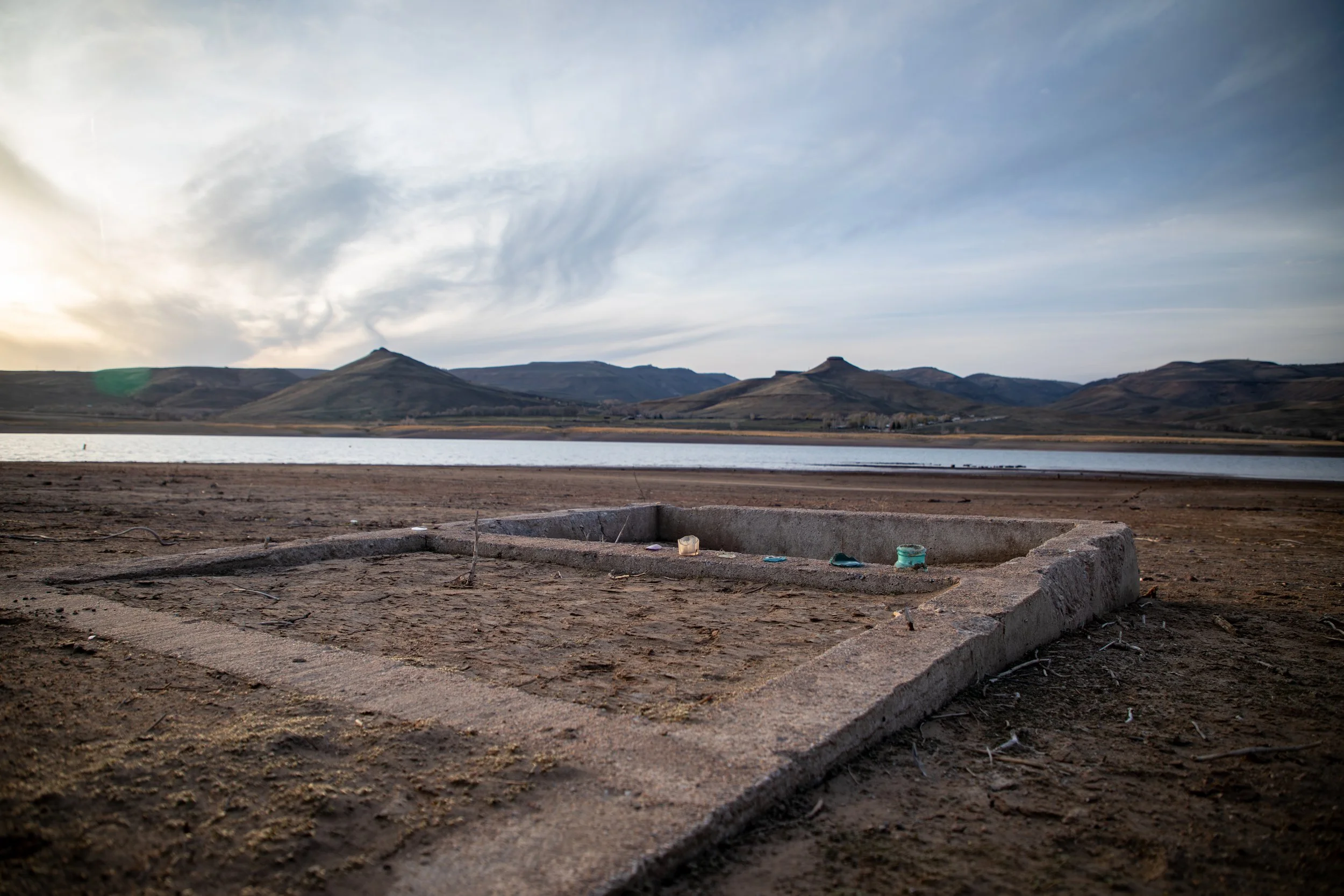
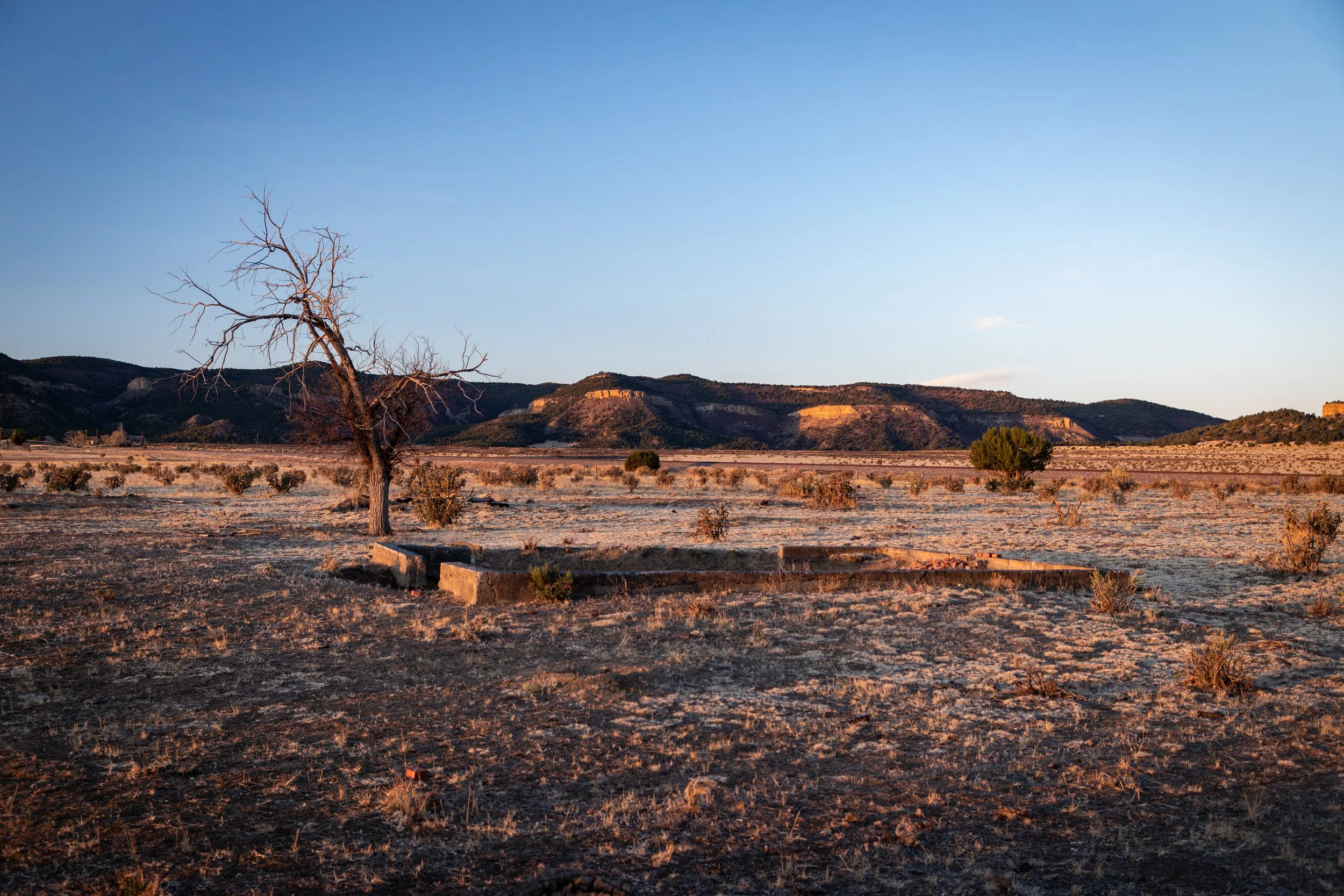
Prior Tempore, Potior Iure
DOCUMENTARY PHOTOGRAPHY · COLORADO · BOOK FORTHCOMING
“The material dissolves. The memory fades. The spirit ?”
This is what I found.
In 1859, prospectors arriving in the Colorado territory adopted a simple rule for distributing scarce water among competing claims: first in time, first in right. The rule worked for miners. It was written into the Colorado Constitution of 1876, and it has governed the state's relationship to its land — minerals, water, and agriculture — ever since.
The Doctrine of Prior Appropriation does not ask whether a use is just. It asks whether it was first.
This project examines what that accounting has produced. Three extraction economies, across three chapters, over nearly two centuries of extraction, settlement, and erasure. The land is not the backdrop here. It is the primary witness, the record of every claim made, cost transferred, and debt deferred.
The title translates from Latin as “prior in time, stronger in right.”
I — Prospect
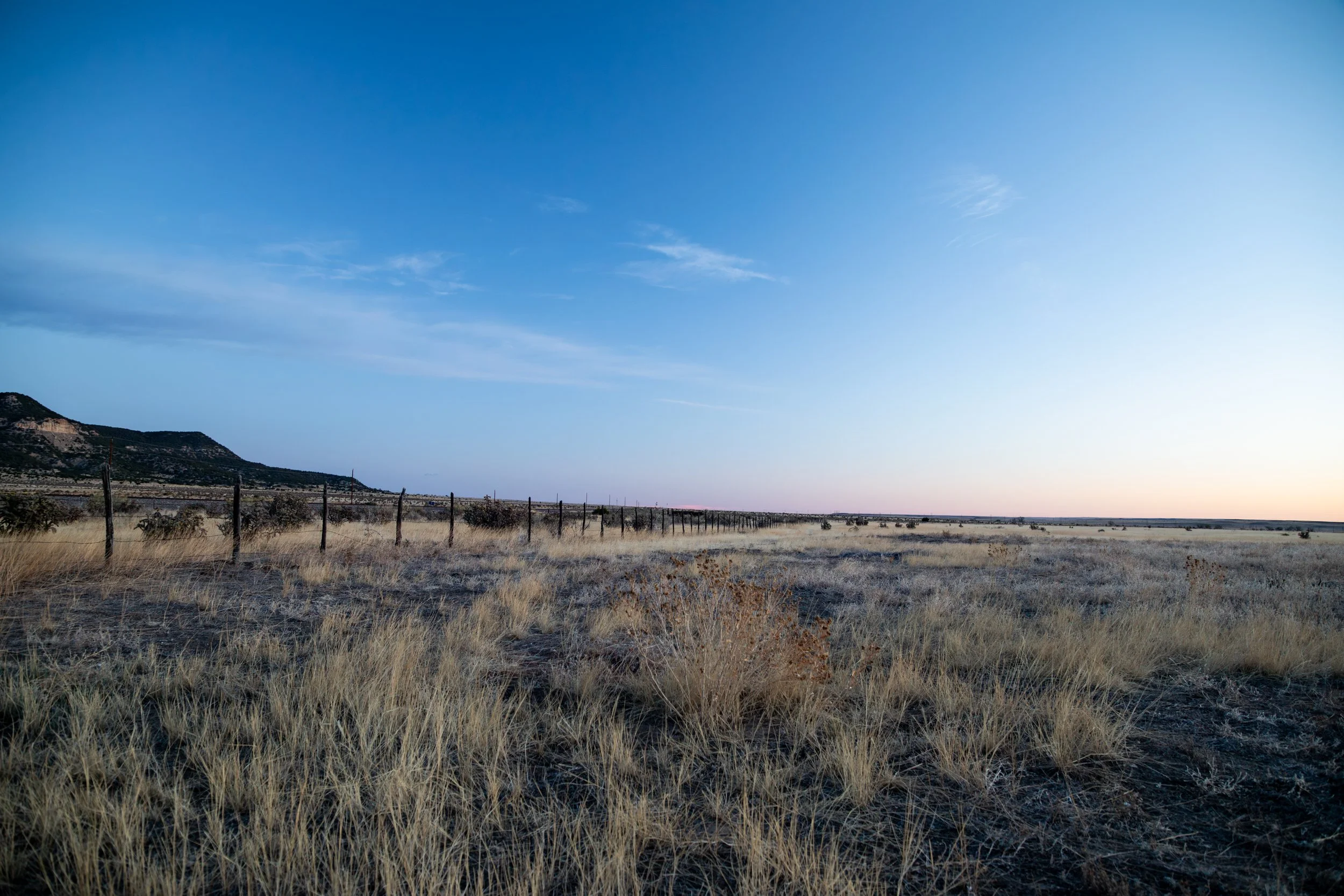
The doctrine arrived before the state did. Those racing westward in 1859 had no legal framework, no courts, no surveyors, only the rule they made for themselves in the absence of one: whoever arrived first took the most.
What they found was a landscape with no record of them. What they left was a landscape that records little else.

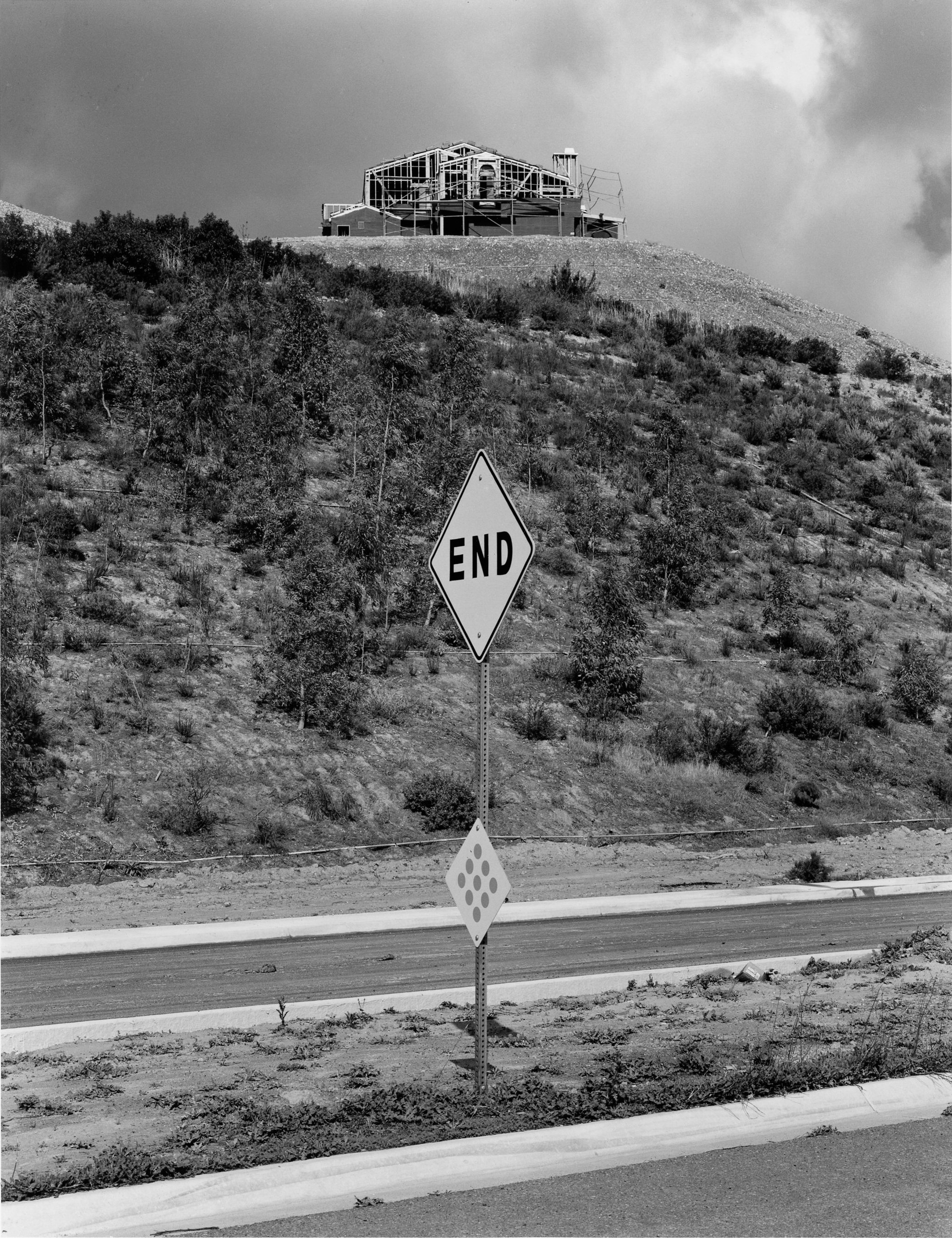
II — Growth
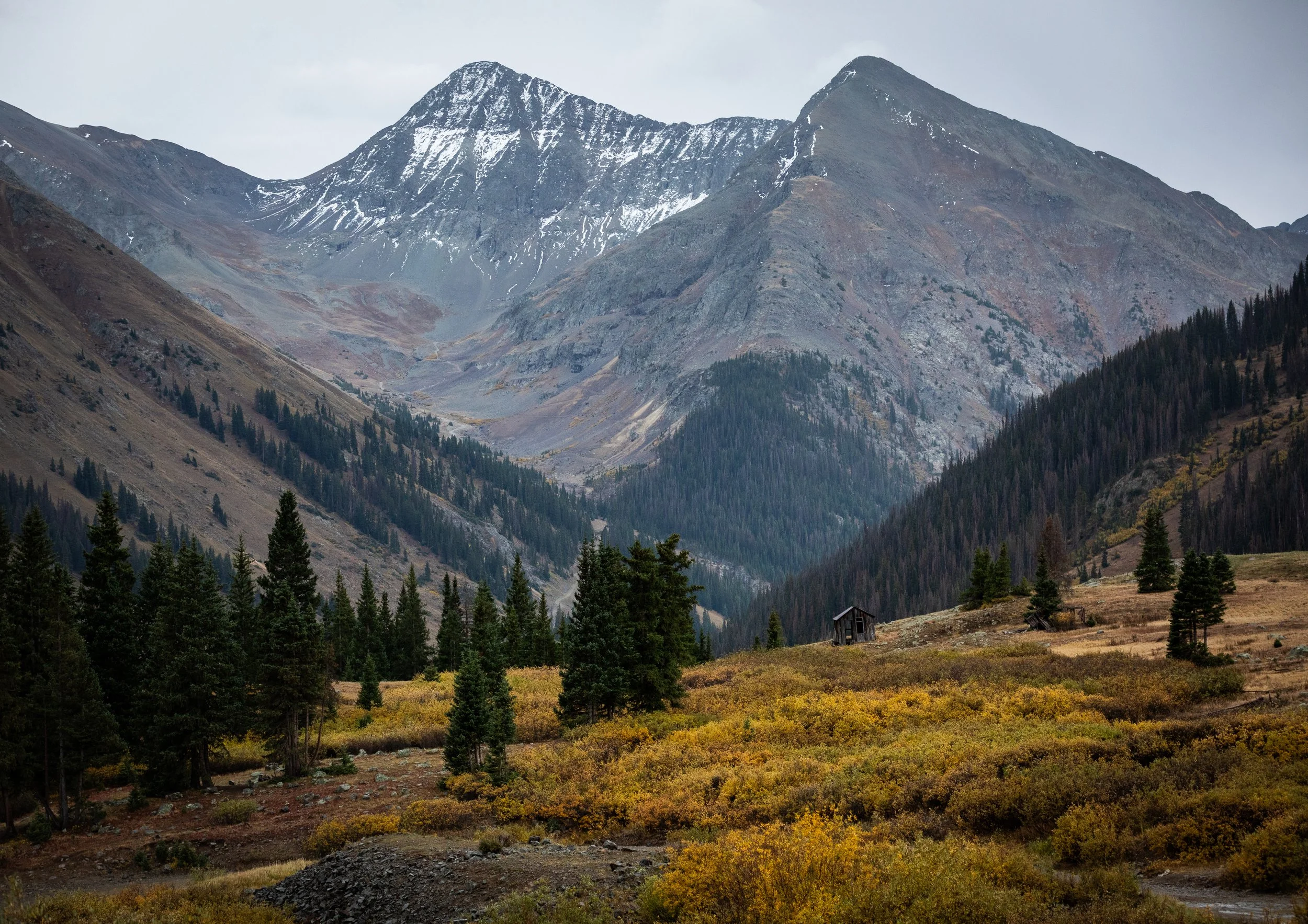
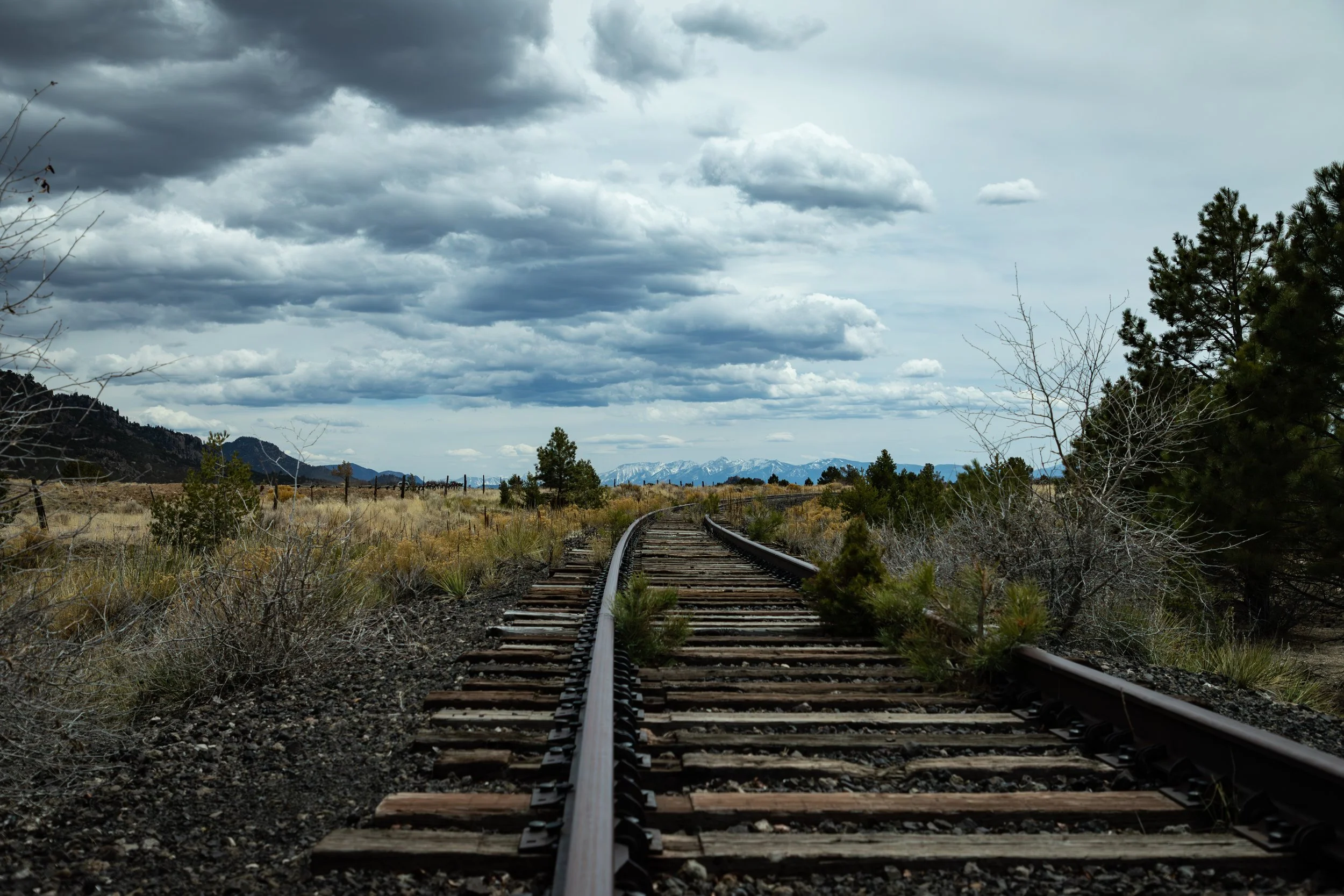
Settlements followed the claims. Canvas gave way to timber, timber to board-and-batten, board-and-batten to brick where the ore held long enough. Post offices appeared. Saloons. A school, sometimes. The infrastructure of permanence, built on the assumption that the resource would last.
It rarely did.




III — Decay
The elements do not distinguish between what was built to last and what was not. Foundations remain where structures don't. Water reclaims what it was diverted from. Fields return to the forms the soil preferred before the plow.
What persists is not the dream but its outline; the final ledger of a debt the river can no longer pay.